Hydrogen
Hydrogen
Emitting a lot brings the possibility for change.
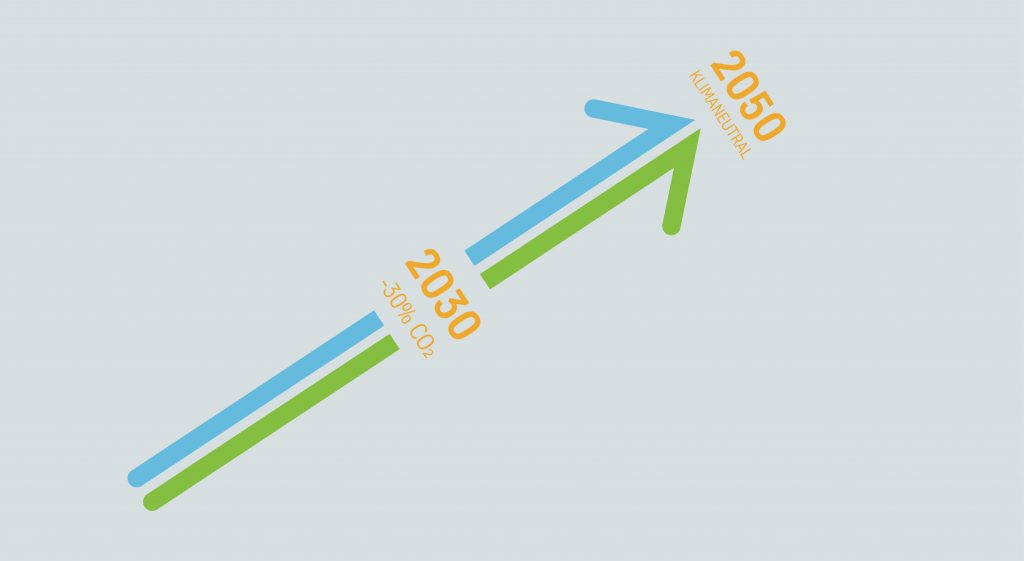
At energyias , we emitted 23 million tons of CO2 in 2019. This equals almost three percent of all German greenhouse gas emissions. More than Berlin has caused in the same period. However, emitting a lot brings the possibility of great change. Therefore, we are committed to the Paris Climate Agreement of 2015: we want to reduce our emissions by 30% by 2030 and be fully climate-neutral by 2050.
The potential of hydrogen also plays a significant role at energyias as we are in an extraordinary position as both consumer and producer of green hydrogen.
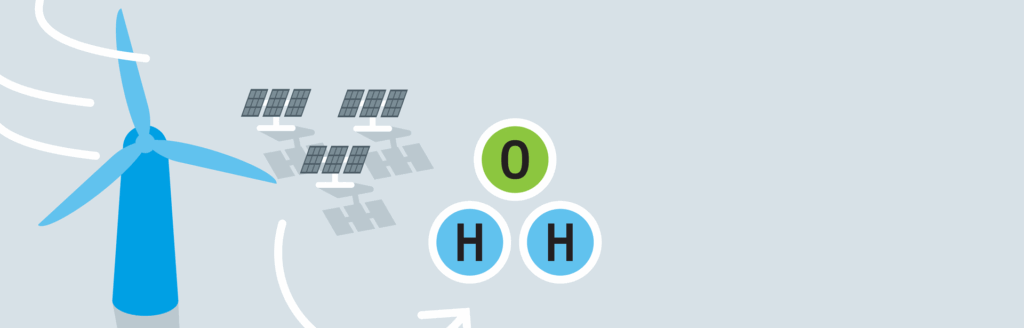
On the one hand, we make a significant contribution to building a green hydrogen economy. To this end, we are using our core expertise in alkaline water electrolysis and developing climate-neutral supply concepts for industrial applications. Altogether, we already have established ten gigawatt of installed capacity in the chemical industry.
On the other hand, energyias provides conditions for climate-neutral steel production: we have set ourselves the goal of fundamentally transforming our steel production using hydrogen and on an entirely climate-neutral steel production by 2050.